


A sensitive scalp is an increasingly common condition, yet it is often overlooked or mistaken for other issues such as dandruff or dryness. Many people only become aware of it when they begin to experience itching, tightness, or discomfort after washing their hair, colouring it, or switching to new hair care products.
In reality, a sensitive scalp not only causes discomfort but also directly affects overall hair health. When the scalp becomes irritated or imbalanced, hair follicles may be compromised, leading to weaker strands, increased breakage, and excessive hair loss.
For this reason, understanding the causes and adopting the right care routine are essential for maintaining a healthy scalp.
-
What is a sensitive scalp?
A sensitive scalp refers to a condition in which the scalp reacts more intensely than usual to external factors such as chemicals, temperature changes, pollution, or environmental shifts.
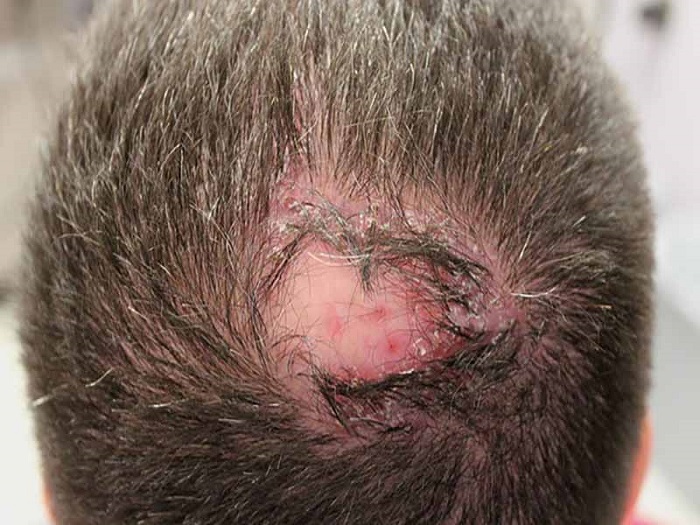
Under normal conditions, the scalp has a natural protective barrier that helps retain moisture and maintain a balanced microbiome. When this barrier is weakened, the scalp becomes more prone to irritation and discomfort.
Individuals with a sensitive scalp often experience itching, a burning sensation, or mild tingling, especially after using new hair care products or being exposed to chemicals such as hair dyes.
-
Signs of a sensitive scalp
Not everyone readily recognises a sensitive scalp. However, some common signs include itching or a slight feeling of tightness, particularly after washing the hair.
The scalp may also appear dry, flaky, or slightly red in certain areas. Some individuals experience a tingling sensation when using styling products or when blow-drying at high temperatures.
In some cases, a sensitive scalp may be accompanied by increased hair shedding, as an unstable scalp environment can affect the normal function of hair follicles.
-
Causes of a sensitive scalp
A variety of factors can contribute to scalp sensitivity, ranging from hair care habits to environmental influences.
3.1. Use of harsh chemical products
Certain shampoos and hair care products contain strong detergents, synthetic fragrances, or alcohol, which can strip the scalp of its natural oils.
When this protective layer is compromised, the scalp becomes more vulnerable to irritation.
3.2. Chemical hair treatments
Services such as colouring, bleaching, or straightening can negatively affect scalp health if performed too frequently or improperly.
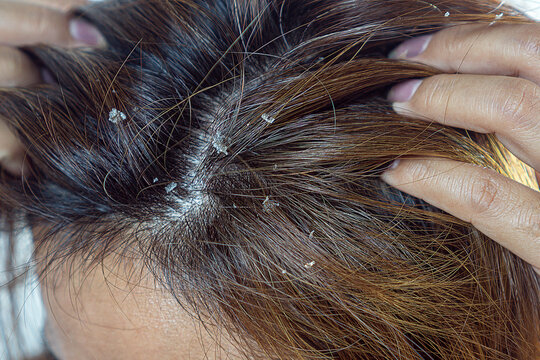
These chemical processes may weaken the scalp’s natural barrier, increasing sensitivity.
3.3. Environmental pollution
Modern living environments expose the scalp to fine dust and air pollution. These particles can accumulate on the scalp, combining with natural oils and sweat to form buildup.
If not properly cleansed, this buildup may lead to irritation and increased sensitivity.
3.4. Stress and hormonal changes
Prolonged stress or hormonal fluctuations can also affect scalp health. When the body is under stress, sebaceous gland activity may become imbalanced, disrupting the scalp’s natural condition.
This not only causes discomfort but may also affect the hair growth cycle.
-
Why proper care is essential for a sensitive scalp
Many people assume that a sensitive scalp is a minor issue that will resolve on its own. However, without proper care, the condition may persist and negatively affect hair health.
Frequent irritation can weaken hair follicles, leading to increased hair loss, slower growth, and reduced vitality.
An unstable scalp environment may also contribute to other issues, such as dandruff or excess oil production.
Therefore, maintaining scalp balance is a crucial step in supporting long-term hair health.
-
How to care for a sensitive scalp effectively
Improving a sensitive scalp requires both appropriate product selection and proper hair care habits.
Firstly, it is advisable to choose gentle shampoos that are free from harsh detergents and synthetic fragrances. Products with natural or organic ingredients are often more suitable for sensitive scalps.
When washing the hair, gentle massage is recommended instead of vigorous scrubbing, as this helps cleanse the scalp without causing irritation.
Another important habit is limiting the use of high heat during blow-drying, as excessive heat can dry out the scalp and worsen sensitivity.
In addition, regular deep cleansing of the scalp helps remove dirt and long-term buildup. A clean scalp is better able to restore and maintain its natural balance.
-
Scalp purification: restoring balance
In many cases, scalp sensitivity results from the accumulation of oil, dirt, and product residue over time.
Scalp purification is a method designed to gently remove this buildup. It helps cleanse the hair follicles deeply while creating an optimal environment for scalp recovery.
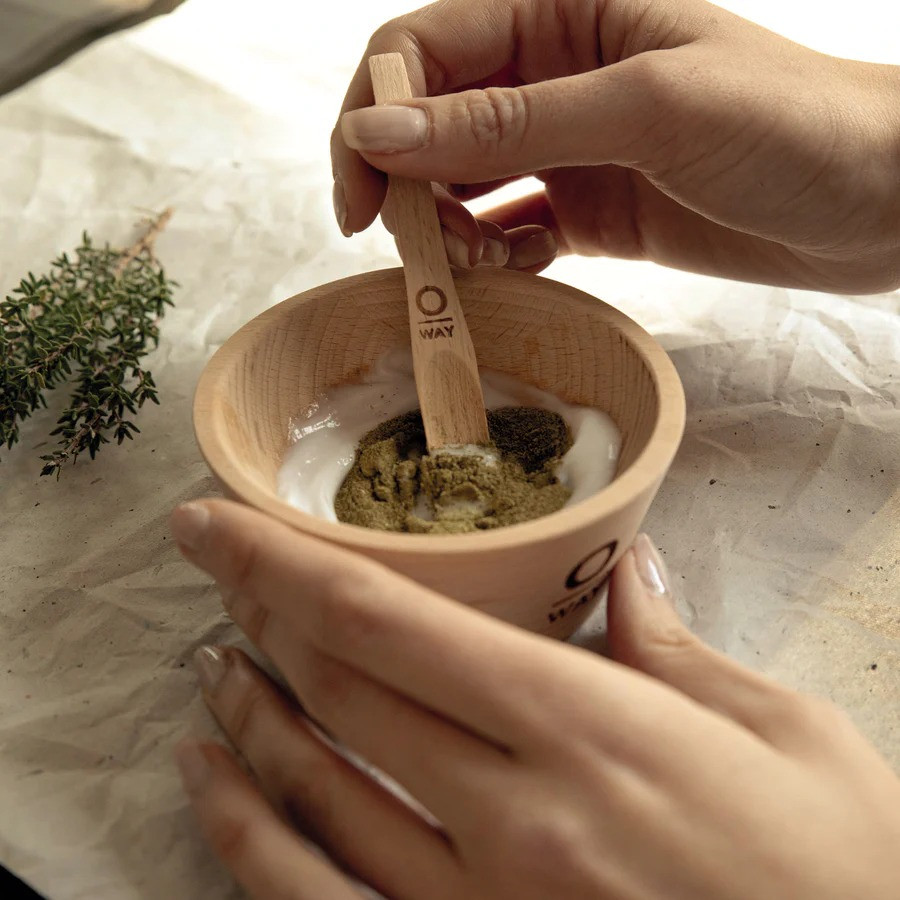
After purification, the scalp often feels clearer, and its ability to absorb nutrients is significantly improved, enhancing the effectiveness of subsequent hair care treatments.
A sensitive scalp is a common condition that can affect anyone. However, with early recognition and proper care, it can be effectively managed, allowing you to maintain a healthy scalp.
If you frequently experience itching, tightness, or discomfort, seeking professional care may be a necessary step. At Omnia Hair Boutique, scalp purification treatments are designed to deeply cleanse and restore scalp balance, helping to reduce irritation and improve overall comfort.
Contact Omnia for personalised advice and discover the most suitable treatment for your sensitive scalp.
