


Changes in weather, particularly during seasonal transitions, affect not only overall health but also the natural hair-growth cycle. Increased hair shedding often causes concern, leading many people to wonder whether seasonal hair loss is something to worry about. Understanding the biological mechanisms behind hair growth, as well as the environmental factors that influence it, can help you take a more informed and evidence-based approach to hair care.
-
The Biological Mechanism Behind Seasonal Hair Loss
According to dermatological research, people often experience increased hair shedding during spring and autumn. This phenomenon is commonly associated with Telogen Effluvium, a condition in which a greater proportion of hair follicles enter the resting phase of the hair-growth cycle.
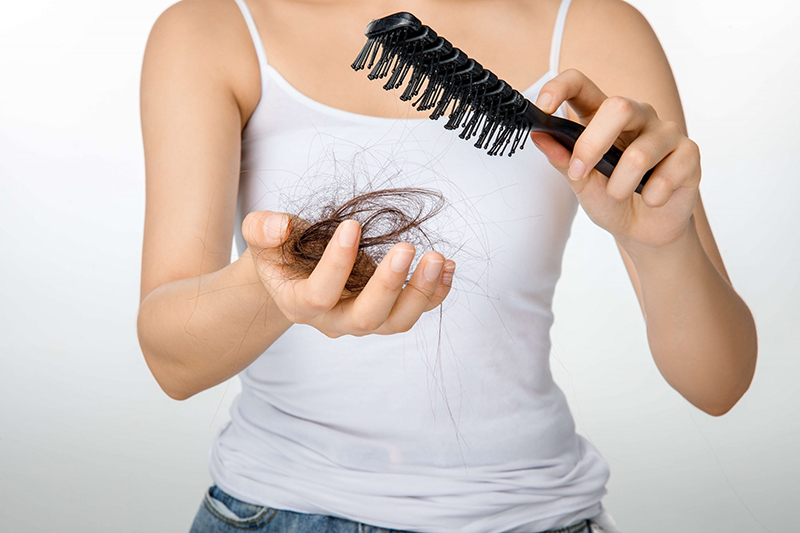
In most cases, seasonal hair loss is not considered harmful. Shedding approximately 50 to 100 hairs per day is generally regarded as normal, provided that new hair continues to grow and replace the strands that are lost.
However, the significance of seasonal hair loss depends largely on its duration and severity. If excessive shedding persists for more than three months, occurs in patches, or leads to noticeable thinning, it may indicate an underlying issue rather than a temporary physiological response. Potential contributing factors include nutritional deficiencies, hormonal imbalances, chronic stress, or damage caused by environmental and chemical exposure.
-
Common Causes of Hair Loss During Seasonal Changes
To better understand why hair loss may increase during seasonal transitions, it is important to consider environmental influences. Sudden changes in temperature and humidity can compromise the scalp’s natural protective barrier.
During summer, prolonged exposure to ultraviolet (UV) radiation may contribute to the oxidative damage of keratin, the protein responsible for hair strength and structure. In winter, dry air can dehydrate the scalp, leaving hair more susceptible to breakage and weakening the surrounding follicular environment.
Excessive heat styling and frequent chemical treatments may further weaken the hair shaft and roots. In addition, the accumulation of dirt, excess sebum, and product residue can interfere with scalp health and follicular function, potentially contributing to increased shedding.
Recognising these factors early can help individuals adopt preventative and restorative measures before the problem worsens.
-
Distinguishing Normal Hair Shedding from Hair-Loss Disorders
One of the most useful ways to assess whether hair loss may require attention is to observe both the shed hair and the condition of the scalp.
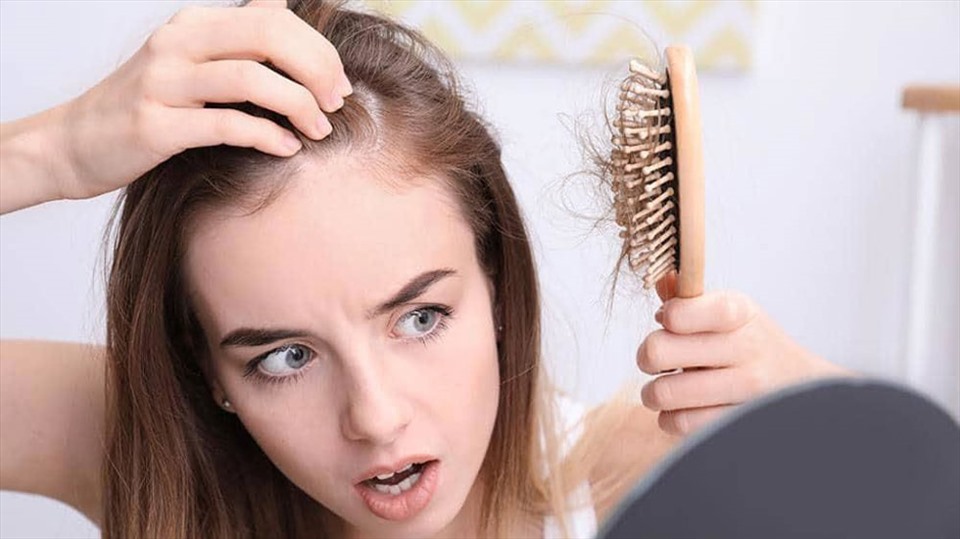
If shedding is accompanied by persistent itching, irritation, redness, or flaking, these symptoms may indicate scalp inflammation or infection. Conversely, if hair loss is mild, diffuse, and unaccompanied by other symptoms, it is often part of the normal hair-growth cycle.
A simple at-home assessment known as the hair pull test may also provide useful insight. Gently grasp a small section of approximately 40 hairs and pull lightly from root to tip. If more than six hairs come out, it may be worth seeking professional advice or further evaluation.
Early assessment is important, as some forms of hair loss respond more effectively to treatment when identified promptly.
-
Supporting Hair Health with Organic Hair-Care Solutions
Once the causes of seasonal hair loss are understood, choosing appropriate hair-care products becomes an important part of management.
Rather than relying on products that contain potentially irritating ingredients such as sulfates and parabens, some individuals may benefit from gentler, plant-based formulations. Botanical ingredients can help maintain scalp health, support healthy circulation, and create favourable conditions for hair growth.
Targeted hair serums may also help support the hair-growth cycle and improve the overall appearance and strength of the hair. In addition to cleansing the scalp, high-quality formulations can help create an environment that promotes healthier and fuller-looking hair over time.
A consistent and well-rounded hair-care routine often provides the most sustainable results.
-
Building a Healthy Lifestyle for Long-Term Hair Health
Topical treatments alone are rarely sufficient. A balanced diet rich in zinc, biotin, iron, and protein plays a vital role in maintaining healthy hair.
Including nuts, seeds, dark leafy vegetables, lean proteins, and adequate water intake in your daily routine provides the nutrients required for healthy hair production. Regular scalp massage may also improve circulation while helping to reduce stress, a commonly overlooked factor associated with increased hair shedding.
Managing stress effectively and prioritising quality sleep can help support hormonal balance and maintain a healthy hair-growth cycle. When the body is well nourished and functioning optimally, hair is often better equipped to withstand seasonal and environmental stressors.
Ultimately, supporting overall health is one of the most effective ways to promote stronger and more resilient hair.
-
The Importance of Professional Scalp Analysis
To determine whether hair loss falls within a normal range or requires intervention, a professional scalp assessment can be highly beneficial.
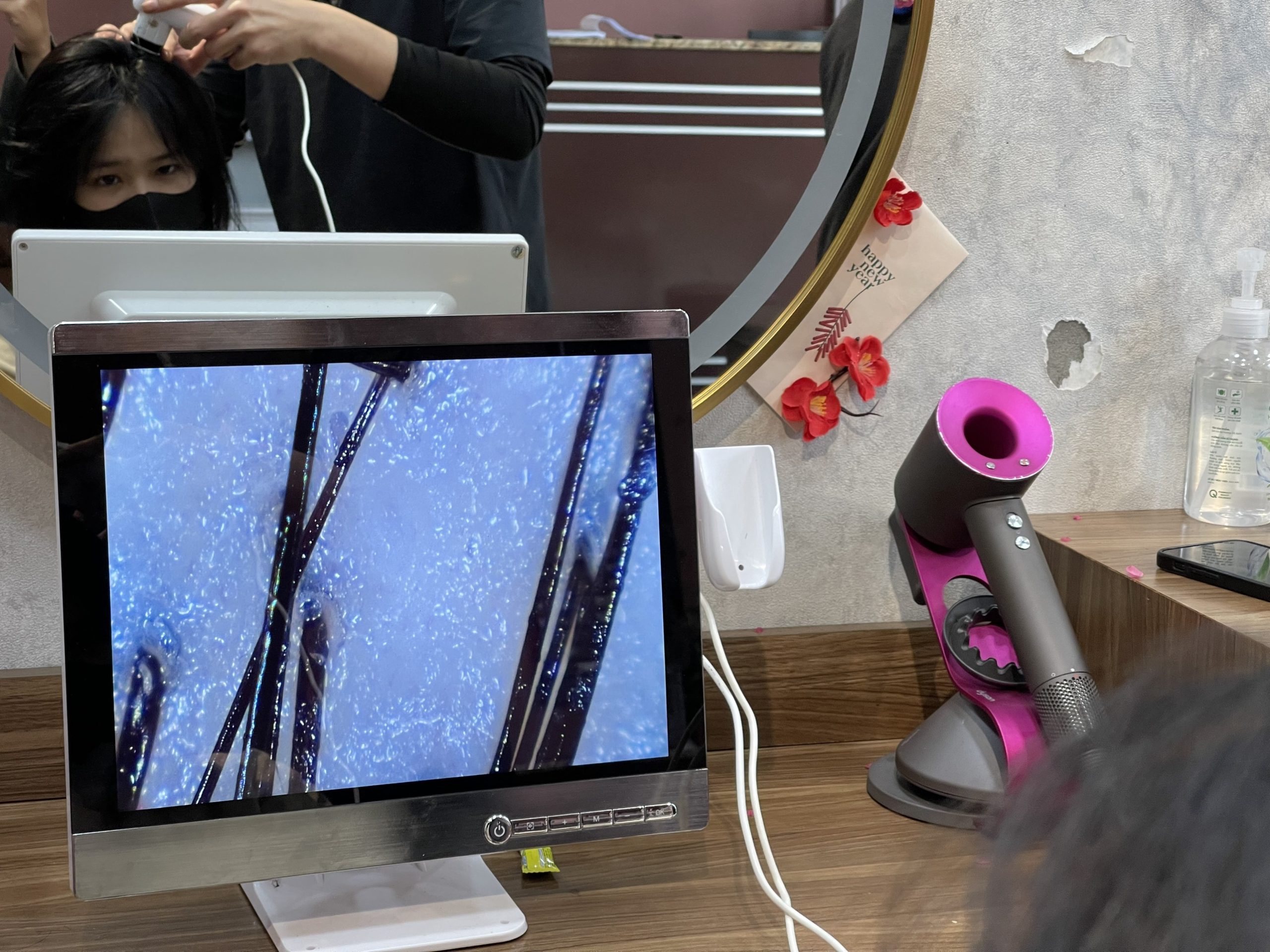
Using specialised magnification technology, hair and scalp professionals can evaluate follicular health, hair density, strand thickness, and scalp condition, details that are often difficult to assess accurately without professional equipment.
A thorough evaluation can help identify the underlying causes of hair loss and guide more targeted treatment decisions. This approach not only saves time and resources but also provides greater clarity and confidence throughout the treatment process.
-
Discover What Your Hair Truly Needs at Omnia Hair Boutique
Summer is an ideal time for renewal and self-care, but it is also a season when your hair may require additional attention. Rather than allowing concerns about seasonal hair loss to affect your confidence, consider taking a proactive approach to scalp and hair health.
At Omnia Hair Boutique, we offer complimentary scalp analysis using advanced diagnostic technology. Our experienced specialists assess your scalp condition in detail and provide personalised recommendations based on your individual needs.
Combining professional expertise with premium organic hair-care products from Oway and British M, Omnia is dedicated to helping clients achieve healthier, stronger, and more vibrant hair.
Visit Omnia Hair Boutique today and take the first step towards restoring the health and vitality of your hair.
OMNIA HAIR BOUTIQUE
Better style. Better life
Branch 1: Villa D13, The Manor, Do Dinh Thien Street, My Dinh 1, Nam Tu Liem, Hanoi
Hotline: 098.666.0036
Branch 2: E1.S08, Building E1 D’El Dorado Tan Hoang Minh, 659A Lac Long Quan, Tay Ho, Hanoi
Hotline: 096.553.1886
Fanpage: https://www.facebook.com/omniahairboutique
Tiktok: https://vt.tiktok.com/ZSdWdU93G/
