


Hair that becomes greasy quickly despite frequent washing is a frustrating problem that can leave many people feeling self-conscious and frustrated. You may wash your hair in the morning, only to find it looking flat, oily, and lifeless by the afternoon. Unfortunately, washing more often does not always solve the problem, and in some cases, it may even make it worse.
In reality, greasy hair is not simply caused by having an oily scalp. It can result from a variety of factors, including overactive sebaceous glands, product buildup, environmental pollution, or unsuitable haircare products. Understanding the underlying causes is the key to finding an effective long-term solution rather than simply treating the symptoms.
-
Why Does Hair Become Greasy So Quickly Despite Frequent Washing?
Many people assume that washing their hair every day is the best solution for oily hair. However, if your hair still becomes greasy quickly despite frequent washing, your scalp may actually be out of balance.
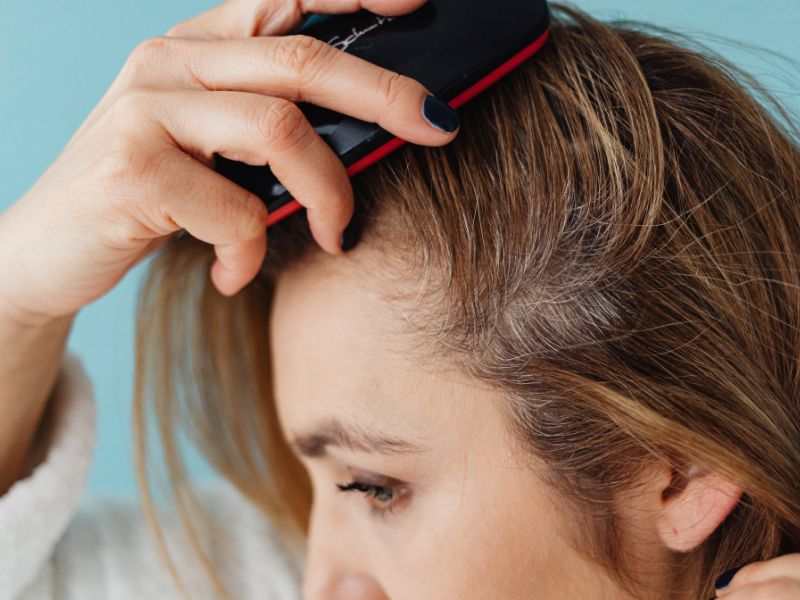
The scalp naturally produces sebum to maintain moisture and protect the hair follicles. When this natural oil is stripped away too aggressively by strong cleansing products, the body may respond by producing even more oil to compensate. This creates a cycle in which frequent washing stimulates the scalp to produce even more oil, making the problem increasingly difficult to manage.
In addition, the accumulation of fine dust, pollution particles, and styling-product residue around the hair roots can make the hair appear flat, heavy, and lacking in volume. In such cases, ordinary shampooing may not be sufficient to deeply cleanse the scalp and follicles.
-
Common Causes of Hair Becoming Greasy Quickly
To effectively address hair that becomes greasy despite frequent washing, it is important to identify the specific cause rather than applying the same solution to every situation.
2.1 Overactive Sebaceous Glands
Some people naturally have oilier scalps due to genetics. However, hormonal fluctuations, stress, and changes in hormone levels can also stimulate the sebaceous glands to produce excess oil.
When oil production exceeds what the scalp actually needs, the hair quickly loses its volume and freshness.
2.2 Incorrect Hair-Washing Techniques
Many people focus on applying shampoo to the hair lengths rather than cleansing the scalp itself, while others may not rinse their hair thoroughly enough. Product residue left behind after washing can accumulate around the roots, making the hair feel heavier and appear greasier.
In addition, aggressively scratching the scalp with fingernails may stimulate the oil glands, causing excessive oil production and prolonging the problem.
2.3 Using Unsuitable Haircare Products
Shampoos and conditioners that contain large amounts of silicone may provide an immediate feeling of smoothness, but they can also lead to long-term buildup.
As this coating builds up around the hair shaft and roots, the hair may appear flatter, heavier, and less voluminous. Continuously changing products without understanding your scalp condition may prevent the issue from improving.
2.4 Buildup of Dirt and Heavy Metals
Household water supplies may contain high levels of minerals or traces of heavy metals, particularly in areas with hard water. When combined with airborne pollutants and fine dust, these substances can form stubborn deposits around the hair roots.
This buildup is often difficult to remove with ordinary shampoo and is one of the less obvious reasons why hair becomes greasy so quickly.
2.5 Frequently Touching Your Hair
Constantly running your fingers through your hair or adjusting it throughout the day transfers oil, dirt, and bacteria from your hands to your scalp and hair.
This habit can cause the hair to lose its freshness much faster, particularly for those who already have an oily scalp.
-
The Long-Term Effects of Persistent Greasy Hair
Hair that becomes greasy despite frequent washing affects more than appearance; it can also have long-term consequences for scalp health.
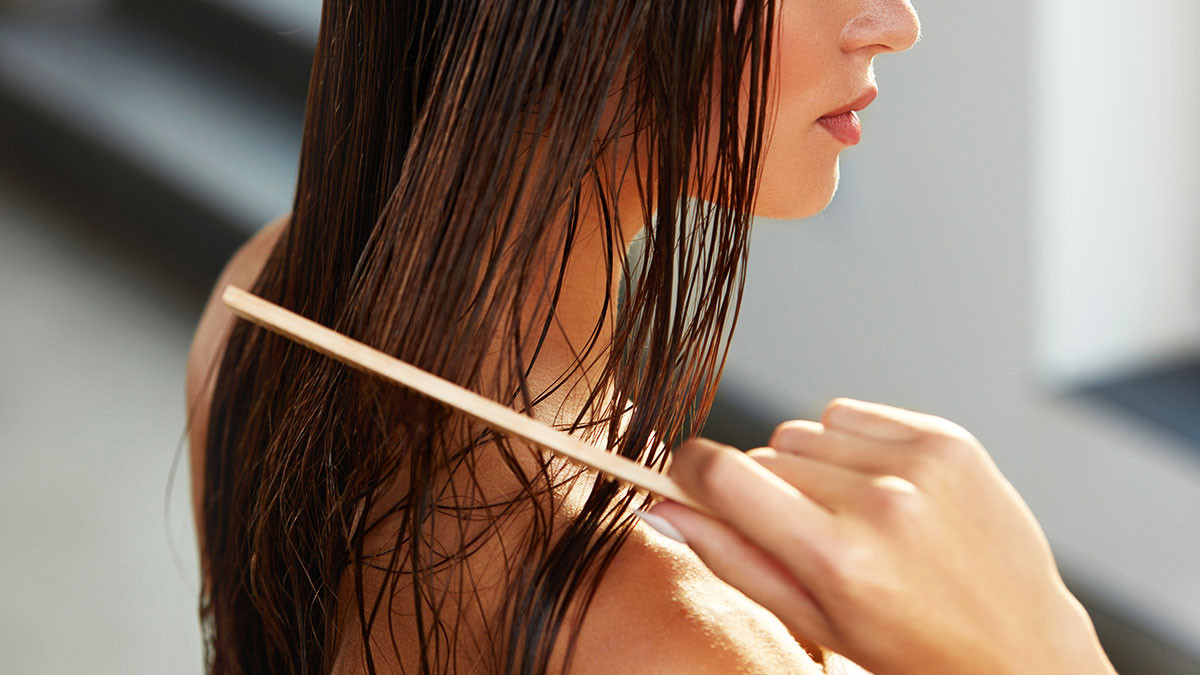
When pores become clogged with excess oil and dirt, the hair follicles may gradually weaken. This can increase the risk of hair shedding, slower hair growth, and finer hair strands over time.
Furthermore, a congested scalp environment can encourage the growth of bacteria and fungi, leading to itchiness, dandruff, and mild follicle inflammation. Without proper treatment, these issues may continue to recur.
-
How to Improve Hair That Becomes Greasy Quickly
Addressing this issue requires a combination of better haircare habits and, when necessary, more specialised scalp treatments.
Firstly, choose a gentle shampoo that does not contain overly harsh cleansing agents. This helps cleanse the scalp effectively without overstimulating oil production.
Secondly, focus on cleansing the scalp rather than the hair lengths. Gently massage the scalp with your fingertips for several minutes to remove oil, dirt, and residue around the roots.
Thirdly, consider regular scalp detox treatments if you live in a polluted environment or frequently use styling products. A scalp detox helps remove deep buildup that ordinary shampooing may not fully eliminate.
Finally, avoid touching your hair unnecessarily and maintain a balanced, nutrient-rich diet to support healthier oil regulation from within.
-
When Should You Consult a Professional?
If you have already changed your haircare products and adjusted your routine but still experience greasy hair despite frequent washing, the underlying cause may be related to deeper scalp issues or an imbalance in the scalp microbiome.
At this stage, constantly experimenting with different products may make the scalp more sensitive. Instead, seeking professional advice can help identify the root cause and provide a solution tailored to your individual scalp condition.
Because every scalp is unique, the most effective treatment approach should be personalised rather than based on a one-size-fits-all solution.
Conclusion
Hair that becomes greasy quickly despite frequent washing is often a sign that the scalp is out of balance or affected by long-term buildup. Washing more frequently is not always the right solution and may even encourage the scalp to produce more oil.
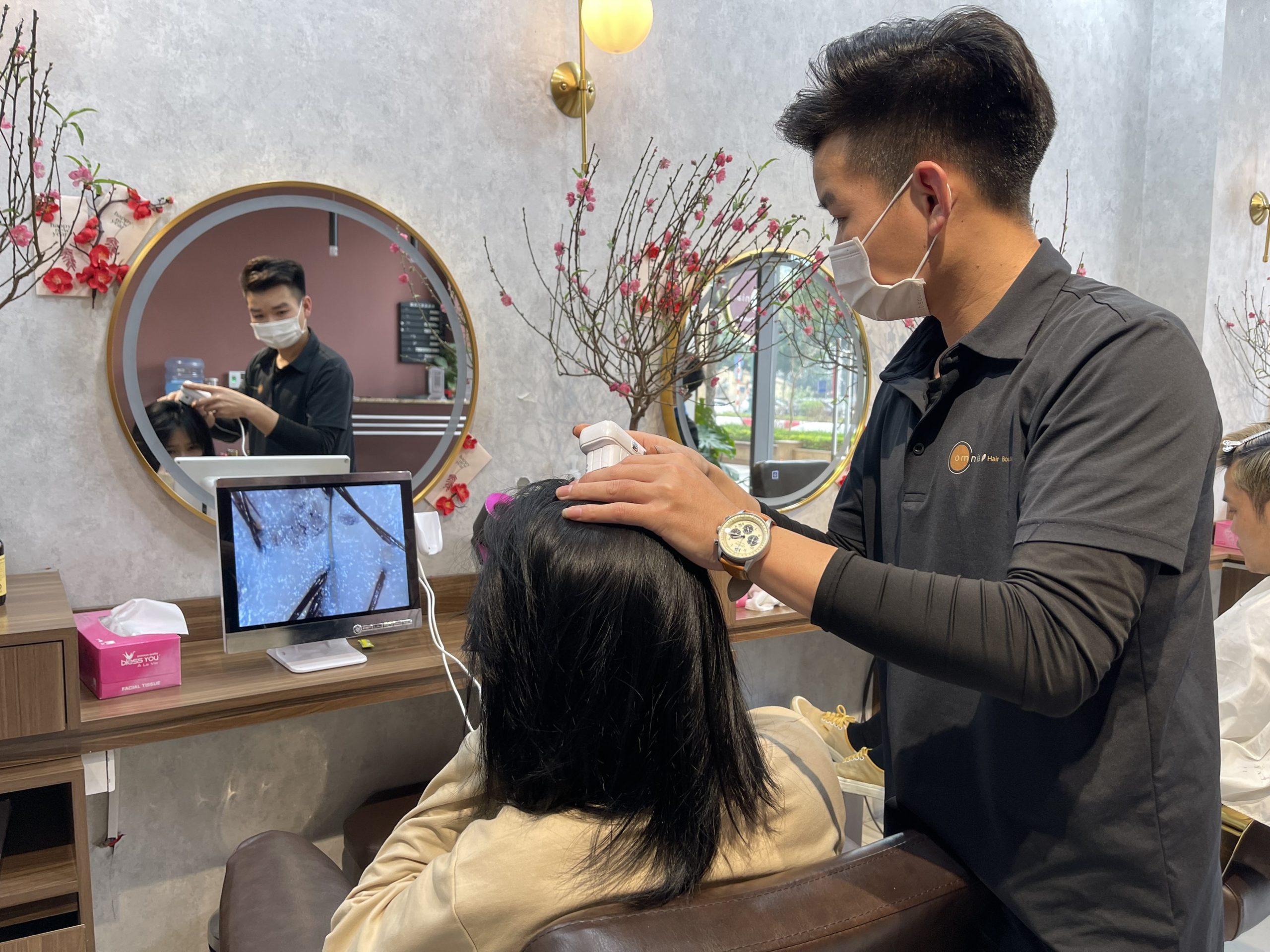
The key is to identify the underlying cause and adopt a haircare routine tailored to your individual scalp condition and lifestyle. If you are still unsure why your hair becomes greasy so quickly, visit Omnia Hair Boutique for a professional scalp assessment and personalised consultation.
At Omnia, a professional scalp analysis helps identify the specific factors contributing to excess oil production, allowing specialists to recommend personalised solutions that restore natural volume, freshness, and long-term scalp balance from the roots.
OMNIA HAIR BOUTIQUE
Better style. Better life
Branch 1: Villa D13, The Manor, Do Dinh Thien Street, My Dinh 1, Nam Tu Liem, Hanoi
Hotline: 098.666.0036
Branch 2: E1.S08, Building E1 D’El Dorado Tan Hoang Minh, 659A Lac Long Quan, Tay Ho, Hanoi
Hotline: 096.553.1886
Fanpage: https://www.facebook.com/omniahairboutique
Tiktok: https://vt.tiktok.com/ZSdWdU93G/
