


“Is a regular hair mask enough for deep repair?” is a common question when hair becomes dry, split, or weakened after perming, colouring, or frequent heat styling. Although many people maintain a routine of regular hair masking, the overall condition of their hair often shows little noticeable improvement.
So, does a regular hair mask truly provide deep repair, or does it simply offer a temporary sense of smoothness? This article clarifies how hair masking works and how it differs from intensive repair treatments.
-
What is a regular hair mask and how does it work?
A regular hair mask is a treatment that combines conditioning products with heat to enhance the absorption of nutrients into the hair. Heat gently opens the cuticle layer, allowing conditioning agents to coat the hair surface more effectively.
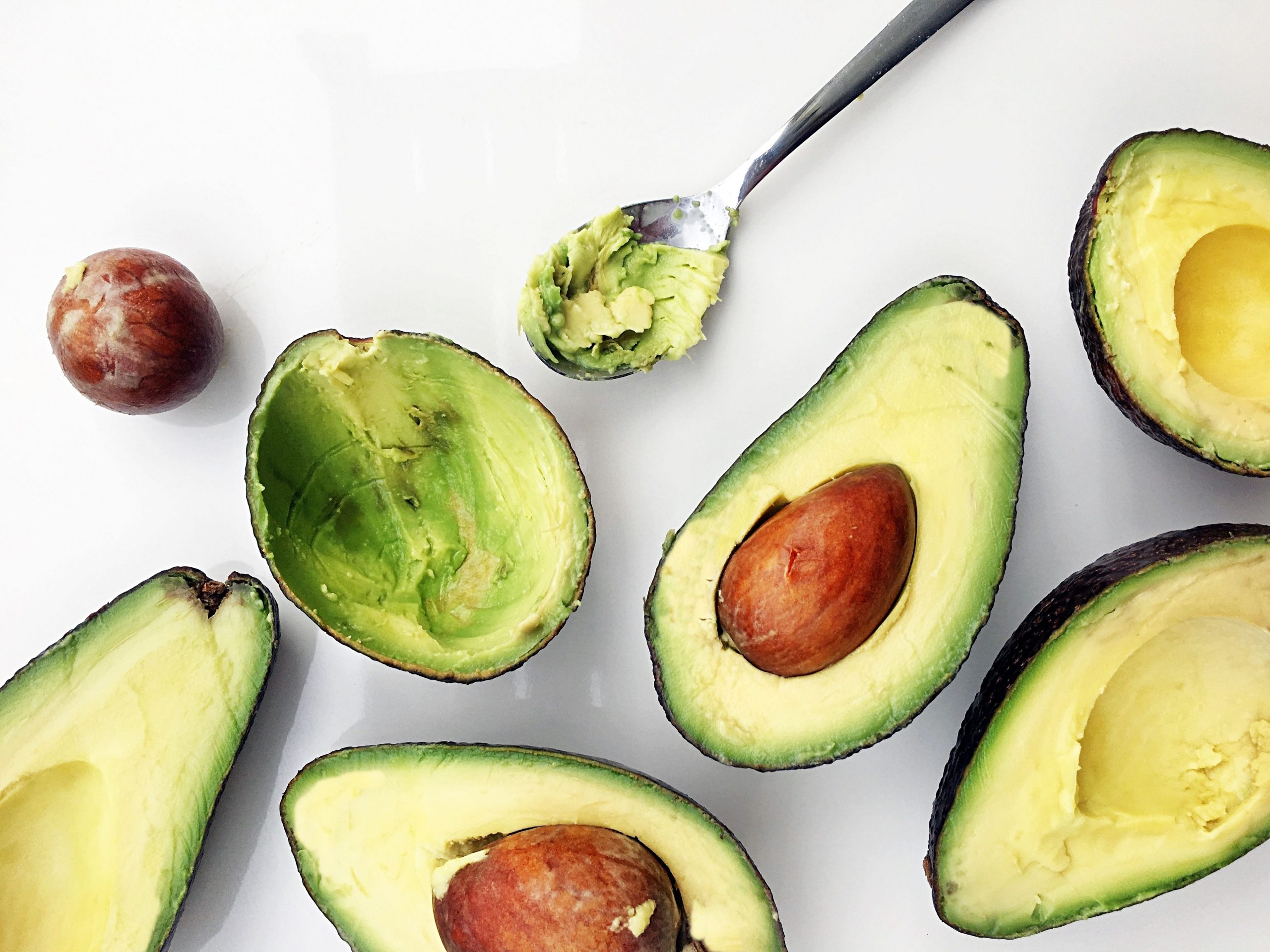
The primary functions of a regular hair mask include:
– Providing temporary moisture to dry hair
– Softening the cuticle layer
– Enhancing shine and reducing tangling
– Making hair easier to manage and style
However, most commonly used hair masks focus on moisturising ingredients and silicones that smooth the surface, rather than repairing protein bonds deep within the hair structure.
This distinction is key when considering whether a regular hair mask can deliver true deep repair.
-
Can a regular hair mask provide deep repair?
To answer this accurately, it is important to understand what “deep repair” actually means.
Deep repair involves:
– Replenishing protein within the cortex
– Rebuilding broken keratin bonds
– Restoring the internal structure of the hair shaft
– Improving elasticity and overall strength
In contrast, a regular hair mask primarily:
– Acts on the outer cuticle layer
– Provides instant moisture and smoothness
– Does not reconstruct the internal hair structure
Therefore, if asked directly, a regular hair mask does not provide deep repair in the true sense of structural restoration. While it can improve the feel of the hair, it does not address the root cause of internal damage.
-
Why does hair feel softer after masking?
Many people assume that softer hair after masking indicates repair. In reality, this effect is mainly due to:
A conditioning layer coating the hair surface
– Heat smoothing the cuticle
– Silicones creating a silky finish
This effect may last from a few days to about a week, depending on the hair condition and aftercare routine. However, once this layer is washed away, the hair may return to its previous dry state if the internal structure has not been restored.
This further reinforces the limitations of regular hair masking in achieving deep repair.

-
Differences between regular hair masking and deep repair treatments
To better understand this, it is helpful to compare the two approaches.
4.1 Level of impact
Regular hair mask:
– Works mainly on the outer layer
– Improves softness and shine
– Provides short-term results
Deep repair treatment:
– Penetrates the cortex
– Replenishes proteins and internal bonds
– Improves elasticity in a meaningful, long-term way
4.2 Suitable hair conditions
Regular hair masks are suitable for:
– Slightly dry hair due to moisture loss
– Hair that has not undergone extensive chemical processing
– Deep repair treatments are more suitable for:
– Bleached hair
– Frequently permed or straightened hair
– Hair that is brittle, breaking, or lacking elasticity
When structural damage is present, regular masking alone is not sufficient.
-
When is a hair mask enough, and when is deep repair necessary?
Not all cases require intensive treatment; the right approach depends on the level of damage.
A regular hair mask may be sufficient if:
– Hair is dry due to environmental factors
– Moisture loss is temporary
– You want to maintain softness on a regular basis
Deep repair should be considered if:
– Hair breaks easily when stretched
– Elasticity is significantly reduced
– Split ends are severe
– Hair is damaged by bleaching or strong chemicals
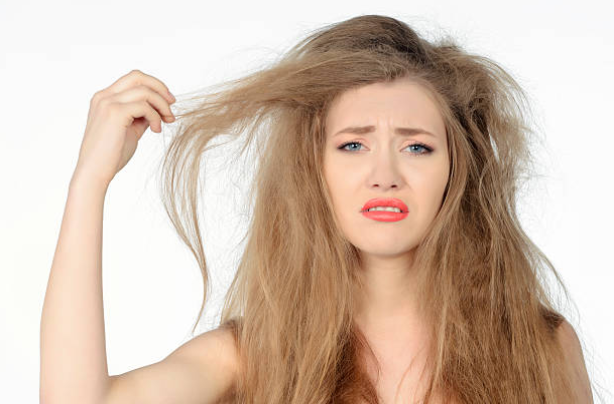
In these cases, relying solely on basic conditioning will not address the underlying problem. Understanding the limits of regular hair masking becomes especially important to avoid ineffective care.
-
How does multi-layer repair differ from regular hair masking?
Multi-layer repair is a method that restores the hair structure at multiple levels, rather than simply softening the surface.
This process typically includes:
– Replenishing plant-based proteins or keratin
– Rebuilding internal bonds within the hair shaft
– Deep moisture balancing
– Sealing the cuticle to retain nutrients
Unlike regular masking, which mainly maintains appearance, multi-layer repair focuses on rebuilding a healthier hair foundation over time.
If you are still wondering whether a regular hair mask can provide deep repair, it is essential to assess your current hair condition before choosing the appropriate treatment.
-
Explore multi-layer repair services at Omnia
If your hair has undergone multiple rounds of bleaching or colouring, or shows signs of severe structural damage, regular masking alone may not be enough.
At Omnia Hair Boutique, multi-layer repair treatments are designed to restore the hair from within, focusing on strengthening internal bonds rather than merely creating a temporary smooth effect. Each treatment is carefully customised based on the level of damage to ensure optimal results.
If you are unsure whether a regular hair mask is sufficient, consider a professional hair assessment to determine the most suitable solution. Truly healthy hair requires restoration from within, not just surface-level improvement.
OMNIA HAIR BOUTIQUE
Better style. Better life
Branch 1: Villa D13, The Manor, Do Dinh Thien Street, My Dinh 1, Nam Tu Liem, Hanoi
Hotline: 098.666.0036
Branch 2: E1.S08, Building E1 D’El Dorado Tan Hoang Minh, 659A Lac Long Quan, Tay Ho, Hanoi
Hotline: 096.553.1886
Fanpage: https://www.facebook.com/omniahairboutique
Tiktok: https://vt.tiktok.com/ZSdWdU93G/
